


Brazilian authorities have clamped down on Neymar, hitting him with a £2.6million (16 million reais) fine for breaching environmental rules during the construction of his coastal mansion.

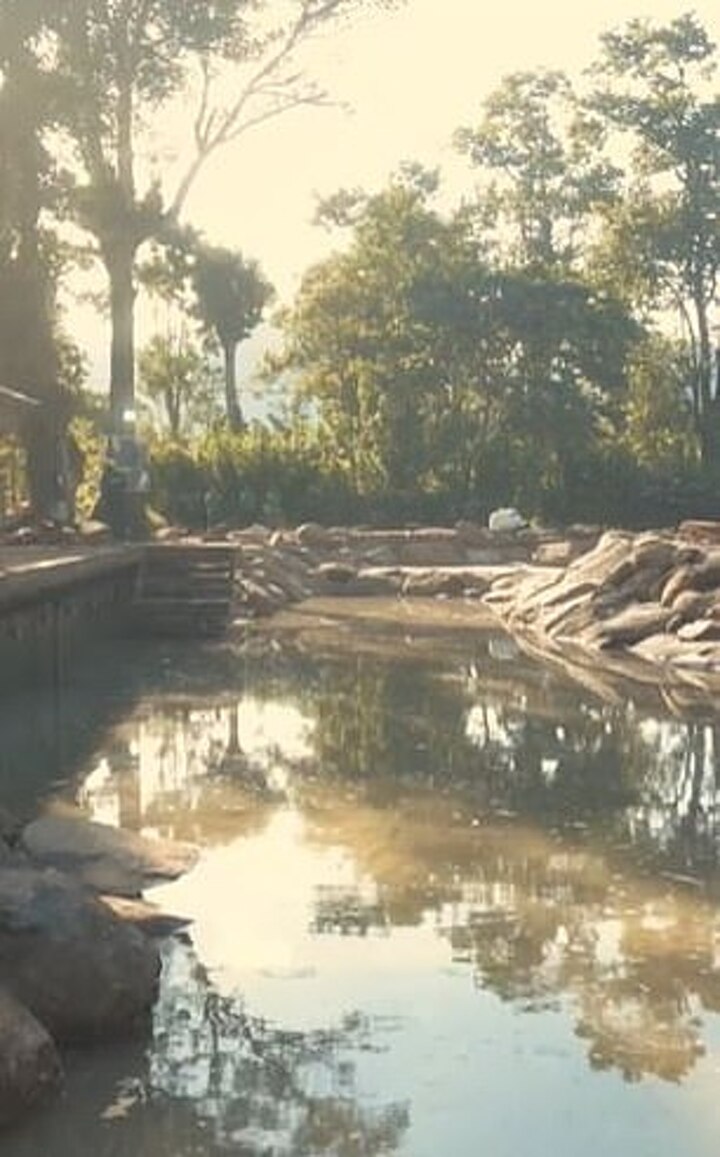
An artificial lake installed at the mansion has caused concern - and has now brought punishment.
The initial complaint of an environtmental crime reported to Mangaratiba City Hall stemmed from a video Neymar posted to Instagram, which was thought to show the artificial lake the former Barcelona player is building at his property.
Mangaratiba's environmental body said in a statement on Monday that environmental infractions were made 'in the construction of an artificial lake at the mansion.'
Besides the fine, Neymar's case will be probed by the local attorney general's office, the state civil police and environmental protection office, among other environmental control bodies.
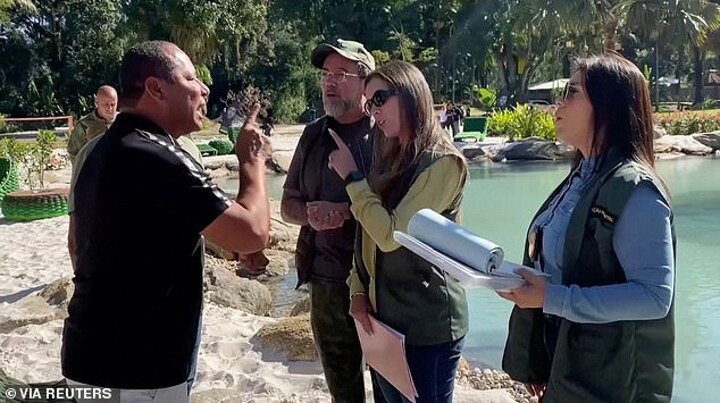
Last month Neymar's father was alleged to have 'insulted environmental agents and was threatened with arrest' in a row over the banned construction work.
Brazilian outlet UOL Sport reported that Neymar Snr was cautioned that those in charge of carrying out the work need 'more education'.
Neymar Snr was handed a fine estimated to be close to £822,000 (five million Brazilian reals) in view of the damage caused by the work to the property.
The luxury project has been the cause of consternation back in the town of Mangaratiba on the southern coast of Brazil's Rio de Janeiro state, where the mansion resides.
Delighted with the work on the lake, Neymar previously shared on Instagram: 'Almost there... Looking forward to taking advantage of this amazing gift that (Genesis Ecossistemas) is making! There's not much left (applause emoji)'.
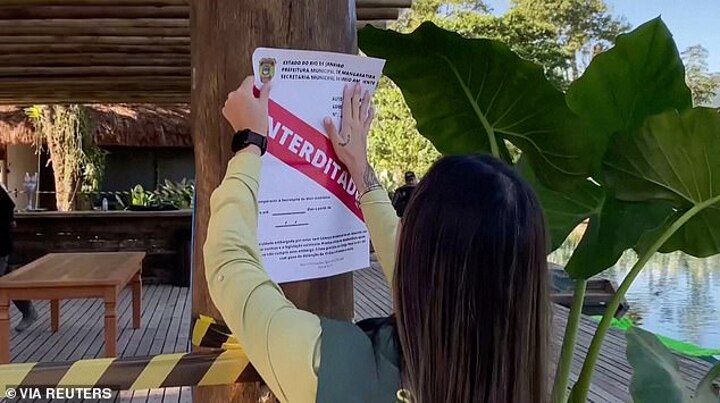

The tagged company, Genesis Ecossistemas, is one that builds lakes and natural pools.
The lake on Neymar Jnr's property is determined to 'promote deforestation, rock breaking, and the diversion of a river'.
The auhtorities' investigation discovered a number of environmental infractions from the banned work, including 'the diversion of a water course, extraction of river water without authorisation, extraction of water for an artificial lake, earthworks, excavation, and movement of stones and rocks without authorisation'.