


It's entirely fitting that 27 of Manchester United's 40 goals so far this season have been scored by academy graduates.
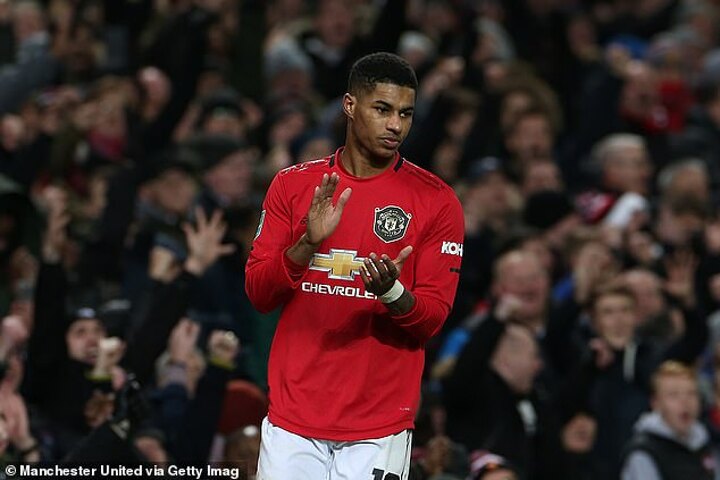
The Old Trafford club have just ticked past the landmark of 4,000 consecutive games with an academy player in their matchday squad, a sequence that dates back to October 1937, and they're as important as ever.
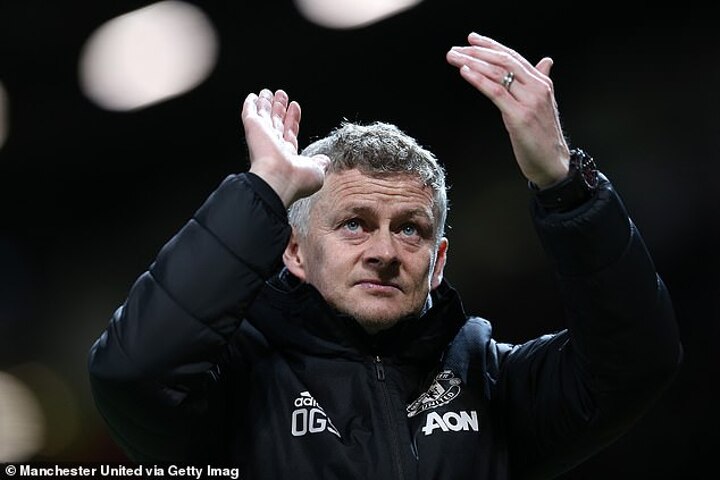
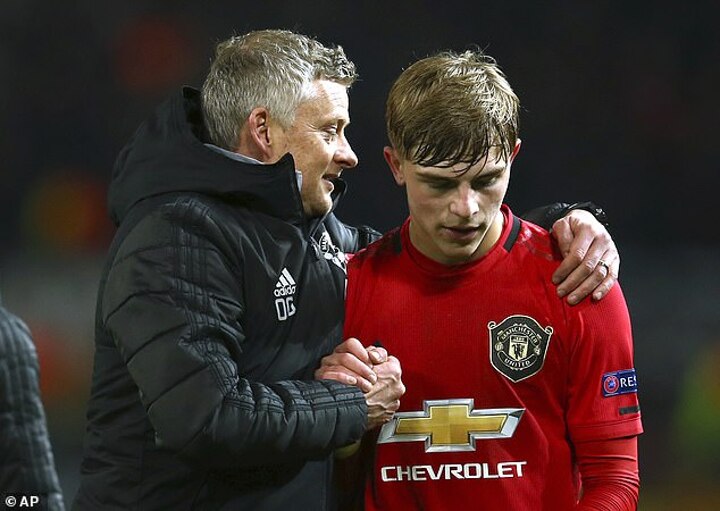
Current manager Ole Gunnar Solskjaer is unashamedly following in the traditions of Sir Matt Busby and Sir Alex Ferguson by giving young players a chance to impress.
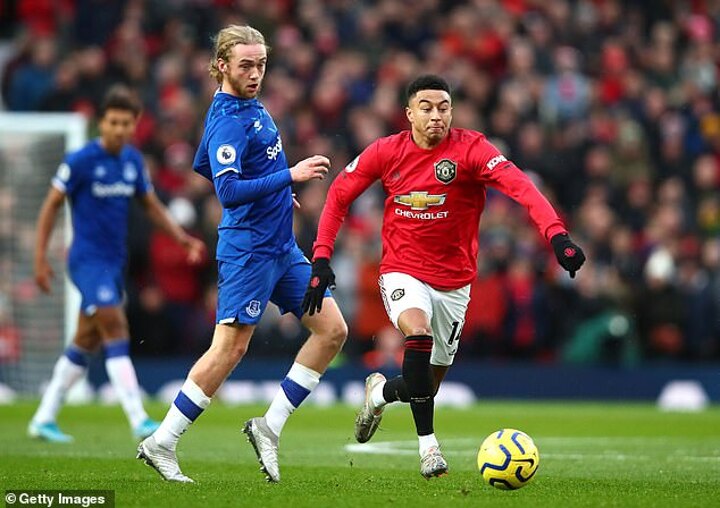
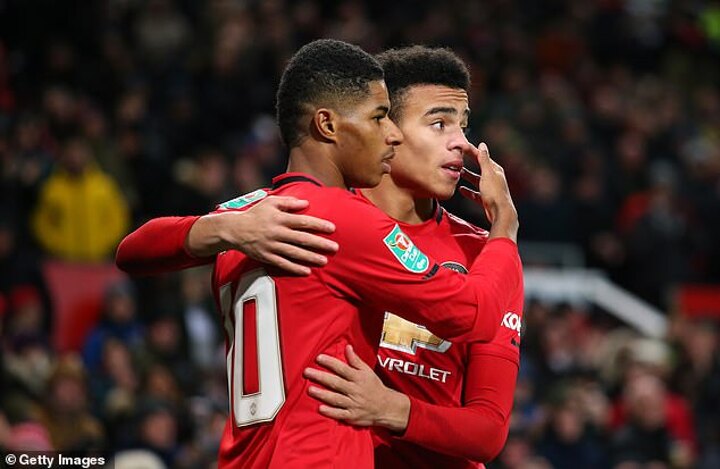
The likes of Mason Greenwood, Brandon Williams and Scott McTominay are all maturing into future mainstays of the United side, while forward Marcus Rashford is in excellent scoring form.
Busby gave senior debuts to 75 graduates from the club's academy and Ferguson 88. Solskjaer is also encouraging the club's youngsters to knock on the door of the first team.
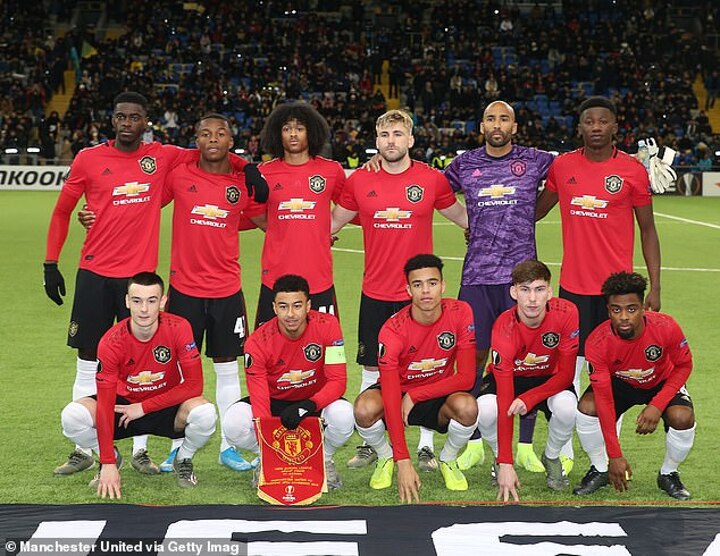
Take last month's UEFA Europa League match against Astana in Kazakhstan, when the United manager chose a team with an average age of 22 years and 26 days, the youngest fielded in European competition.
Right-back Ethan Laird, midfielder Dylan Levitt and centre-half Di'Shon Bernard were handed their full debuts, while Largie Ramazani, D'Mani Bughail-Mellor and Ethan Galbraith made their first appearances off the bench.
It increased the number of United youth team players named in matchday squads to 239 during the incredible 82-year run.
The presence of unused substitutes Arnau Puigmal Martinez, Matej Kovar, Max Taylor and Teden Mengi lifted the total number of United academy graduates named in matchday squads during that time to 279.
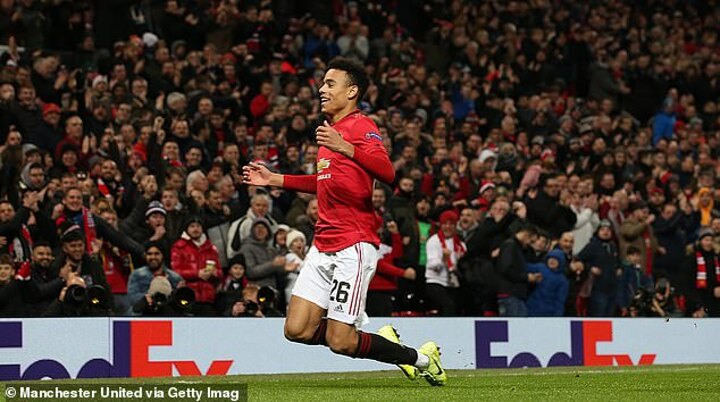
The importance of Rashford to United, plus the emergence of Greenwood, McTominay and others means this incredible sequence is likely to continue for many seasons yet, especially if Solskjaer remains at the helm.
Not only that, but emerging academy players are becoming increasingly important to United once again as they try and rediscover some of the glories of the Ferguson era after six years of drift and decline.
Of all of United's goals this season, 67.5 per cent have been scored by academy graduates and in the Premier League alone it's 65.38 per cent.
This is a significant increase on last season's record of 30 out of 65 Premier League goals (46 per cent), which in itself was an increase on the previous high of 41 per cent in 1995-96.
It comes as little wonder, however, when you take a look at the minutes played by academy graduates in the Premier League.
Last season, United recorded 27,395 minutes, significantly ahead of the 17,903 minutes Tottenham gave to their academy graduates.
It wasn't quite like that when the 4,002 game sequence started with a 1-0 defeat at Fulham in the second division on October 30, 1937, when homegrown players Tom Manley and Jackie Walsall played.
United finished runners-up to Aston Villa that season, earning a first-time return to the top-flight, and they have remained there, with the sole exception of 1974-75, ever since.
Throughout that time, United have preserved this proud record through the peaks and troughs of their own achievements.
What is also remarkable is that in only 13 of those 4,002 matches an academy graduate failed to get on the pitch (i.e. they were all unused substitutes).
There have certainly been matches when the streak has almost been snapped, including two in the relatively recent past when there was just one academy player on the bench.
In March 1992, United had only Clayton Blackmore - who joined the club aged 14 on schoolboy terms - in their squad at Sheffield United after fellow academy graduate Mark Hughes picked up an injury.
And in May 2011 at Arsenal, defender John O'Shea was the only one schooled at United in Ferguson's squad.
More often than not, however, there's more than just one player. United's squad for their Carabao Cup quarter-final against Colchester United last week, for example, featured eight homegrown players.
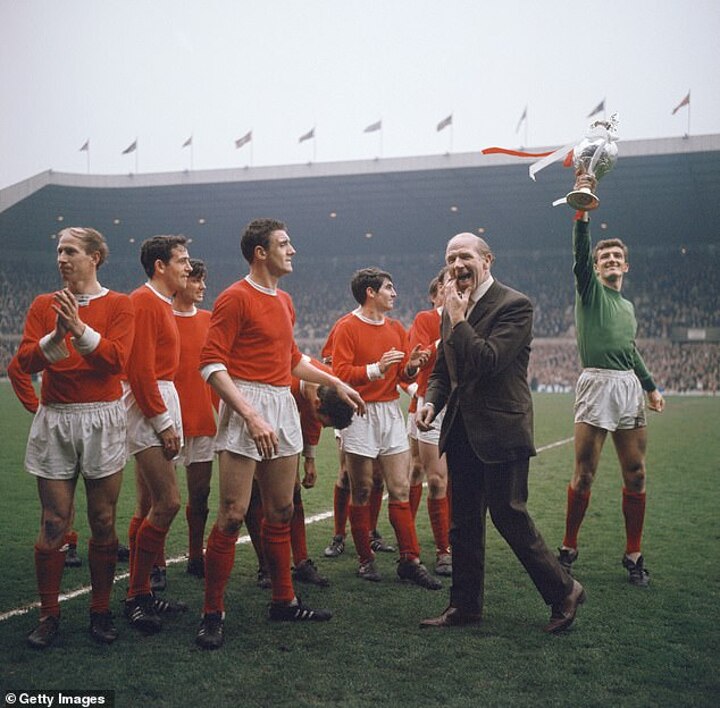
It was Busby who really helped the United academy gain its fame in the years immediately after the Second World War.
There had been five pre-war players out of the 279 but Busby went on to add 75 more, beginning with Joe Walton, who was 20 years, seven months and 21 days old when he played against Preston North End on January 26, 1946.
Better remembered are the likes of Johnny Aston, Charlie Mitten, Roger Byrne, Bill Foulkes, Duncan Edwards, Dennis Violett, Bobby Charlton, Shay Brennan, Nobby Stiles, David Sadler, George Best, John Aston and Brian Kidd.
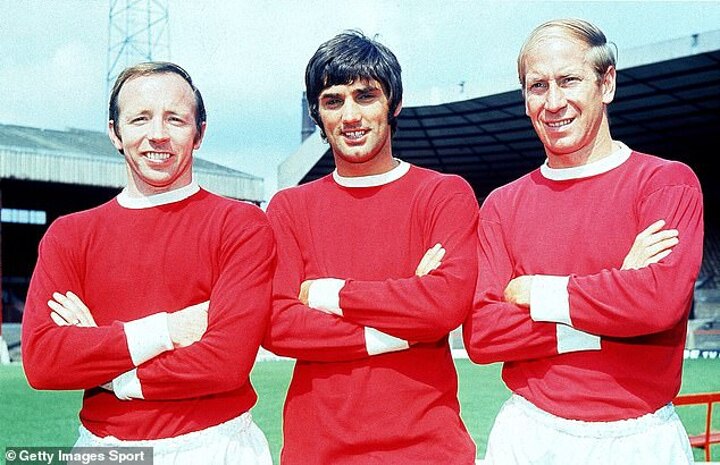
It was Busby's United who won the first five editions of the FA Youth Cup between 1953 and 1957, those players forming the backbone of his title-winning sides in 1956 and 1957.
And it is all the more astounding United's record endured when seven of them - Geoff Bent, Byrne, Eddie Coleman, Edwards, Mark Jones, David Pegg and Liam Whelan - perished in the Munich Air Disaster. Jackie Blanchflower never played again as the result of injuries sustained.
United rebuilt on a foundation of youth, winning the FA Cup five years later and achieving the holy grail of lifting the European Cup 10 years after Munich in 1968.
Charlton, who survived the crash, was joined by the likes of Stiles, Sadler, Best, Aston, Kidd and others to create Busby's next formidable team.
Even during the relatively lean years of the 1970s and 1980s, United continued to look to their academy.
Take Northern Irish midfielder Sammy McIlroy, Busby's final signing, who made the first of 419 United appearances against Manchester City in 1971.
Brian Greenhoff (debut 1973), Arthur Albiston (1974) and Jimmy Nicholl (1975) made their debuts under Tommy Doherty and would be regulars for years.
Ron Atkinson was responsible for handing debuts to Norman Whiteside, who played 274 times, Mark Hughes (467) and Blackmore (245).
But it was after Ferguson's arrival from Aberdeen in November 1986 that Old Trafford witnessed another explosion in academy success stories.
The Scot systematically build up United's academy structures once again, installing a scouting network that reached far and wide, and reaped the rewards.
The fabled Class of 92 provided the spine of United's team for a decade or more, with the likes of Ryan Giggs, Gary Neville, Paul Scholes, David Beckham, Nicky Butt and Phil Neville all emerging at once.
So many players coming through at the same time really was a freakish occurrence something proven by the fact the remainder of Ferguson's time in charge saw more of a drip-effect.
Wes Brown, John O'Shea, Darren Fletcher and Jonny Evans are the only graduates to play over 100 times for United from the Class of 92 until Ferguson's retirement in 2013.
Nonetheless, like in Busby's time, they helped deliver wild success as United dominated the domestic scene and won the Champions League in 1999 and 2008.
Now, after five years of reckless spending, United appear to have returned faithfully to youth. As the statistics have shown down the decades, it's what they do best.