


According to renowned journalist Andy Mitten’s latest report, Manchester United made no signings in the January transfer window. Following heavy spending last summer and the loan departures of several high-earning players, the club has shifted its focus to financial discipline and securing a top-six Premier League finish.
Sir Jim Ratcliffe’s Ineos Group has set a target of winning the Premier League title by 2028, the club’s 150th anniversary. Recent victories over league leaders Arsenal and second-placed Manchester City have not only boosted United’s league position but also strengthened confidence in that long-term goal.
Interim manager Michael Carrick has overseen three consecutive wins since taking charge. The team’s injury situation has improved, while players returning from the Africa Cup of Nations include Bryan Mbeumo and Noussair Mazraoui.
Kobbie Mainoo has been restored to the starting XI under Carrick. Previously marginalised, he played the full 90 minutes in all three of United’s successive wins.
“We will not sign players on big wages only to let them leave for free,” read a club statement, reflecting a far stricter transfer regime.
The closure of the January window on Monday with no new arrivals came as no surprise. United completed its major recruitment ahead of the season, splashing over £212 million on Bryan Mbeumo, Matheus Cunha, Benjamin Šeško, and goalkeeper Senny Llamas. The club did recoup funds through the sales of Alejandro Garnacho (£40 million) and Antony (£20 million).
Loan deals for Marcus Rashford (Barcelona, with an option to buy), Rasmus Hojlund (Napoli, £5 million loan fee plus £38 million buy option), Jadon Sancho (Aston Villa), and André Onana (Trabzonspor) have also removed the players’ hefty wage bills from United’s books.
Over the past five seasons, United recorded a net spend of £675 million—the highest in English football. That massive outlay failed to return the club to its former glory, a key reason behind Old Trafford’s push for tighter financial control.
Once a serial big spender in the transfer market, United must improve its ability to sell players rather than offloading them well below their purchase price. This was one factor behind annual losses of £90 million before two rounds of extensive staff layoffs and deep cost cuts in 2024 and 2025.
United is not competing in European competition this season and crashed out of both domestic cup competitions at the first hurdle, removing any urgent need for new signings. The club is scheduled to play just 40 competitive fixtures in 2025–26, well down on the recent average of 55 and last season’s 60. This steep decline is viewed by the club as the nadir of the rebuild since Ineos took control of football operations in early 2024.
The 2028 Premier League title target once seemed distant after last season’s 15th-place finish—United’s worst league ranking in 50 years. Hopes have risen dramatically, however: with away wins over Arsenal and City, the Reds sit fourth, playing attractive football and recapturing some of their old swagger.
No side in the Premier League currently boasts a seven-game unbeaten run like United’s, yet supporters are refusing to get carried away. It has been a turbulent campaign, with former manager Ruben Amorim sacked in early January after publicly criticising the club’s hierarchy twice.
Amorim had enjoyed strong backing from the club and fans, making his dismissal all the more surprising. He improved the team’s league form and made tough calls to restructure the dressing room, but poor home performances against lower- and mid-table sides turned fan opinion against him.
After former midfielder Darren Fletcher took interim charge for two matches, fellow ex-Red Michael Carrick was appointed until the end of the season. His perfect start—wins over City, Arsenal, and Fulham—has lifted morale and propelled United into fourth place, a Champions League qualifying spot.
Securing European qualification for next season remains United’s primary objective for the campaign, and with 14 league games remaining, the side is on track to achieve it. The club will use the summer transfer window to reshape the size of its squad.
The top summer priority is finding a replacement for Brazilian midfielder Casemiro, whose high salary will also be removed from the wage bill to reduce expenditure.
Elliott Elliott Anderson of Nottingham Forest is the number-one target, though he is also chased by Manchester City and several other clubs. Adam Wharton (Crystal Palace) and Carlos Baleba (Brighton) are also under consideration, with United scouting other central midfielders. None of these players were available in January.
United also attempted to trigger the release clause of Antoine Semenyo at Bournemouth, but the winger opted to join Manchester City instead. The club is also in the market for a left winger.
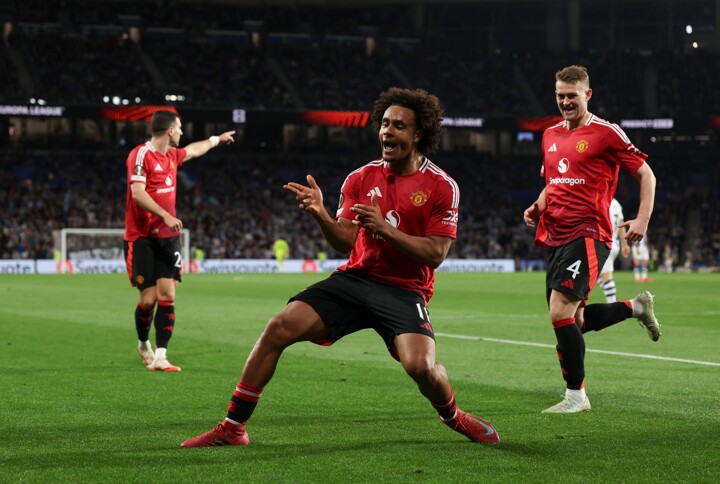
Any January incomings would have required outgoing departures first. Roma were interested in bringing Dutch forward Joshua Zirkzee back to Italy, but United refused to let him leave on a free loan. The club’s stance is clear: it will not subsidise wages for high-earning players to feature for other sides at no cost.
Fellow midfielder Manuel Ugarte of Uruguay is attracting interest from rival clubs too. Like Zirkzee, he is keen for more game time ahead of this summer’s World Cup, but United is reluctant to thin its squad further.
The injury list is currently short, with only defender Matthijs de Ligt and winger Patrick Doku—who impressed early in the year—sidelined. Lisandro Martínez and Harry Maguire have returned to fitness and formed an impressive defensive partnership, providing a major boost to the side.
With the Africa Cup of Nations concluded, key players Mbeumo, Amad Diallo, and Mazraoui have returned to Old Trafford, giving Carrick greater selection flexibility. The interim boss has also recalled Manchester-born midfielder Kobbie Mainoo to the starting line-up.
The 20-year-old had never started a Premier League match under Amorim before his dismissal, but has played every minute of Carrick’s three-game winning streak. United’s number of league wins after 24 matches this season has already matched its entire total from the dismal 2024–25 campaign—a benchmark no United side should judge itself against.
Several players departed in January, most notably 22-year-old midfielder Toby Collyer, who joined Championship high-flyers Hull City.
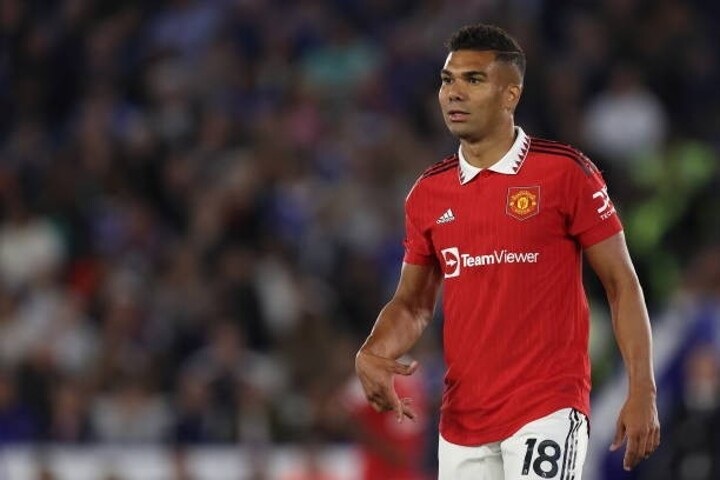
More exits are set to follow. The departure of Casemiro will represent a significant loss, while Harry Maguire’s contract expires in June. United has not yet offered him a new deal, with plans to assess his performances and those of other defenders, alongside market conditions.
The club has consistently stated its need for a defensive leader, and a title-contending squad is still thought to be two to three years away—though the past year’s recruitment work has been encouraging.
Carrick’s exceptional start to his tenure will see his position evaluated in due course. His close friend Ole Gunnar Solskjær, who lost out to Carrick in a past coaching vacancy, has long insisted he would one day manage Manchester United.
Carrick has assembled an experienced backroom team, notably assistant coach Steve Holland. A native of Greater Manchester and lifelong United fan, Holland attended Reds home and away matches before his coaching spells at Chelsea and as Gareth Southgate’s assistant with the England national team.
Carrick took the reins during a period of turmoil, yet clear signs of progress were already emerging before his appointment. He has steadied the ship, and must now steer United towards the calmer waters of a top-six league finish and a return to European football.