


Miralem Pjanic was on the exit ramp at Barcelona for the entirety of the summer, before eventually sealing a move to join Besiktas this week.
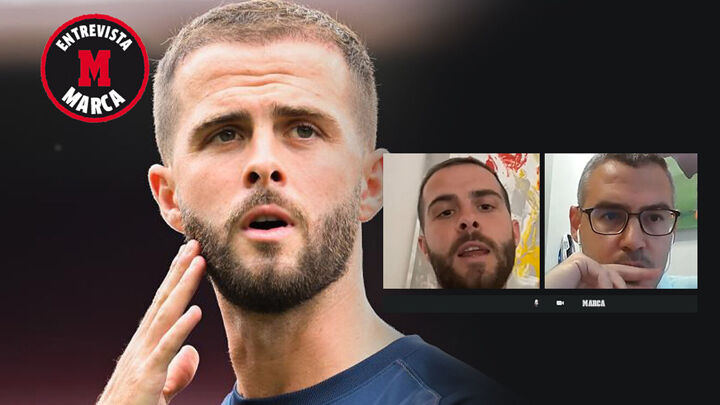
Now that he is no longer working under Ronald Koeman's orders, the Bosnian has wasted no time in speaking out about the Dutch coach's treatment of him, opening up in an exclusive interview with MARCA while on international duty.
How are you?
"I'm very happy and motivated. I arrived in Sarajevo after being presented at Besiktas and everything went well. I couldn't accept a situation like what I had last year. It was clear that I couldn't do that. I'm a footballer who likes to play, and that's what makes me happy."
Where should we start... maybe it's best to start from the beginning. Were you always a Barcelona fan as a child?
"I always liked the way Barcelona played and watching their games. Their philosophy was clear and suited to my football. When I was there, I saw all of the players that I had dreamt about playing with. It was always my goal to play for a club like Barcelona, but I didn't expect such a complicated situation."
It was close a number of times, and there was a video showing you crying. What did signing for Barcelona mean to you?
"That [the emotion] was more for my parents, I was happy for them, but it was also a dream for me. I was happy at Juventus, but Barcelona spent two years trying to sign me but couldn't. Then came another opportunity and they took it. I was very happy, which was normal as I was going to play for the club I dreamt of playing for as a child. I had a lot of expectations, because I had always started, done well and progressed wherever I was previously - at Roma or Juventus. I was ready to take this step after nine years in Italy, I wanted a challenge and it was the right moment. But then I found a coach that, I don't know..."
[Pjanic then anticipates a question and continues]
"Right now, today, I don't know what he wanted exactly. He didn't try to explain things to me or find a solution. I would go to ask him what he wanted from me, positionally or what I was doing well or badly. I wanted to adapt as quickly as possible to the team and be useful. You need 17 or 18 players from a squad to win titles. He didn't have problems with my play and didn't give me answers. Time went on and the situation went from bad to worse, without any reason. Like I said, I was being professional, so this is difficult to understand. Many people on the inside didn't understand it either. Then there was this opportunity to leave and I wanted to listen to that, because I need to play. I know what I can bring to a team, but you need confidence and dialogue and things to be said to your face. I'd have preferred things to be said to me directly, but it was what it was. It was a very odd way of communicating and it's the first time I've ever experienced this. I've had a very good relationship with all of my coaches. I don't know what happened, I honestly don't know. He didn't want responsibility or confrontation, because I guess that couldn't be handled."