


Real Madrid has already reached its minimum objective in the tournament, according to AS. The revenue they earned up to the quarterfinals must be added to the income from ticket sales.
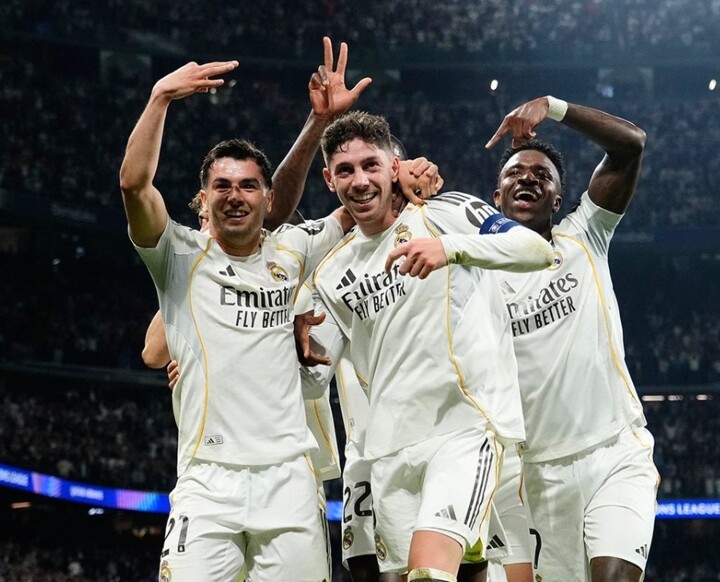
Once again , Real Madrid has reached the Champions League quarterfinals. In the last ten seasons, they only failed to advance beyond the quarterfinals in 2018-19 and 2019-20. It's a regular occurrence, and the club's management knows it best . In this year's budget, they once again set reaching the quarterfinals as the minimum objective in the competition, and they have achieved it again.
Anything they achieve beyond the quarterfinals will be a bonus to their tally. It's worth remembering that Real Madrid is the only team that has consistently reached the round of 16 since the competition format was changed to include preliminary groups.
Sporting success brings economic stability, or at least assistances to achieve it. What does reaching the quarterfinals mean? Well, it means that Real Madrid, taking into account all possible variables , has already secured around 100 million euros for their participation in the Champions League, just based on their sporting merit , as happened last season.
In the previous year , the team then managed by Ancelotti managed to earn 101 million euros by reaching the quarterfinals, to which must be added the revenue from ticket sales , which in Champions League knockout matches is around ten million euros per game, so it approached 150 million euros for all items.
Real Madrid has already earned a total of €63.1 million in the 2025-26 season based on their performance on the pitch so far. €36.6 million is for their ninth-place finish in the league phase, €11 million for reaching the round of 16, and another €12.5 million for reaching the quarterfinals. This figure does not include ticket sales from the six matches already played.
It's important to remember that, in addition to purely sporting merit, UEFA's Champions League prize money distribution takes into account performance over the last ten years and the team's market pool value, which represents the audiovisual value of each country. This market pool value varies depending on the number of teams from a country in the knockout rounds. The more teams a country has to distribute the prize money, the less money it will receive.