


The Confederation of African Football (CAF) officially announced that the CAF Executive Committee has unanimously decided to reinstate the Africa Cup of Nations (AFCON) as a biennial tournament.
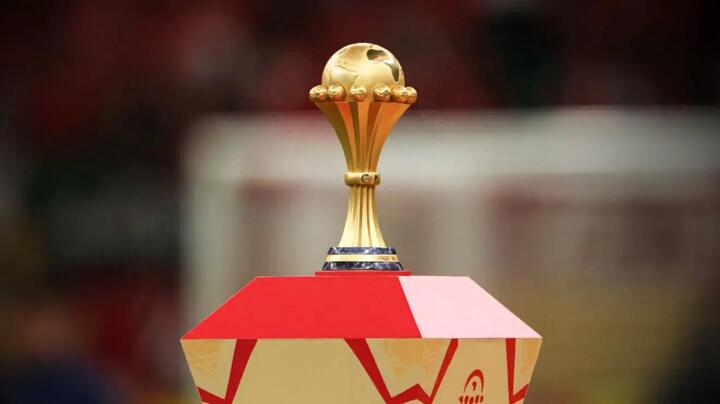
CAF President Patrice Motsepe had previously stated at the CAF Strategy Meeting held in Cape Verde from October 7-9 that the Executive Committee would re-evaluate the earlier decision to hold AFCON every four years.
This re-evaluation stemmed primarily from the fact that the proposed Pan-African Nations League, originally intended to replace AFCON and be held biennially, would require several years to secure sufficient financial support to help CAF competitions and African football achieve global competitiveness and financial self-sufficiency.
Motsepe stated: "The CAF Executive Committee's decision to revert to a biennial AFCON is aimed at promoting, protecting, and advancing the interests of African football and CAF's 54 member associations, while also considering the interests of African players who play for clubs outside the African continent."
"We also considered that the proposed Pan-African Nations League would take several years to provide adequate financial and football development support for African football and CAF competitions, enabling them to achieve global competitiveness and self-sufficiency."
"The next AFCON will be held in 2027 in Kenya, Tanzania, and Uganda, and I believe this tournament will be a huge success. Subsequent AFCON tournaments will be held in 2029, 2031, and 2033."
"The next FIFA World Cup will be held in 2030. According to FIFA regulations, the final stages of AFCON and other continental confederations' national team tournaments will not be scheduled in World Cup years."
"AFCON is not just a football tournament; it is also a celebration of African football and Africa's rich and diverse cultures, customs, and traditions. It is an important bond that unites the 54 African countries, the African diaspora, and people worldwide."
"This decision by the Executive Committee is in the best interests of African football and CAF's 54 member associations, and it will make a significant contribution to the development and growth of African football."