


According to reports, Guangdong, China, is a major source of counterfeit football jerseys destined for Spain, with smuggling routes that have evolved significantly in recent years.
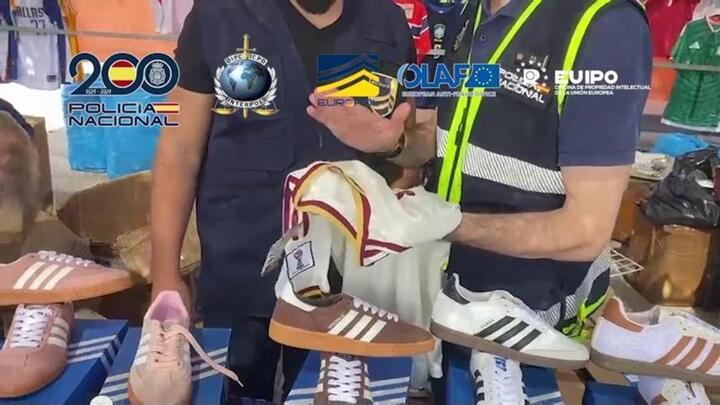
The investigation reveals that neither Thailand nor Turkey are major sources of counterfeit jerseys entering Spain. Instead, Guangdong is the origin of most illegal imitations seized in the country. Goods are shipped from major ports in the province: Nansha Port in Guangzhou and Yantian Port in Shenzhen, which handles a significant portion of European-bound cargo.
Criminal networks have adapted their methods to evade Spanish customs, which have significantly tightened inspections in recent years. Jorge Vidal, an intellectual property inspector at Spain's National Police, noted: "Spanish law enforcement sets the standard for combating this type of crime. Police from around the world visit to study our methods."
The gangs' strategy is straightforward: reroute through European ports. Containers from Guangdong first stop at major hubs in Belgium, the Netherlands, and Germany—specifically Antwerp, Rotterdam, and Hamburg. While these ports handle enormous daily volumes, inspection rates remain low, with fewer than 3% of arriving containers scanned. This allows counterfeit goods to blend in with legitimate shipments undetected. Investigators have identified companies in Germany and the Netherlands importing counterfeit goods from China, indicating established European operations.
After clearing these ports, goods sometimes pass through airports before entering Spain by land. Large trucks transport merchandise across France and into the Iberian Peninsula, unloading at logistics warehouses in industrial zones near Madrid and Barcelona, including areas like Mollet del Vallès and San Fernando de Henares.
The final stage involves covert distribution networks. In a recent National Police operation seizing 16 tons of clothing, investigators discovered counterfeit goods stored in industrial warehouses, private residences, markets, and courier company facilities. E-commerce channels play a major role, with delivery vans indistinguishable from legitimate couriers completing the final deliveries. Websites openly sell counterfeit jerseys for as little as €20, with some Chinese sellers even promoted by social media influencers.
This coordinated operation involved the National Police, Interpol, Europol, the European Anti-Fraud Office, and the European Union Intellectual Property Office, marking the most significant blow against counterfeit networks since 2023. In December 2023, Spanish authorities dismantled a major operation that had imported approximately 2,000 tons of counterfeit FIFA World Cup merchandise, luxury goods, and electronics since 2021, resulting in 73 arrests and 300,000 seized items. Since then, criminal networks have continued evolving their tactics, establishing new routes to circumvent law enforcement.