


Can you imagine Lamine Yamal, Kylian Mbappé or Julián Álvarez refusing to take the field in La Liga? Clearly, it’s hard to fathom, bordering on impossible.
Yet this very scenario has unfolded in the Saudi Pro League: first Karim Benzema, then Cristiano Ronaldo. Within the space of a week, the two superstars each refused to play for their respective clubs of their own volition, sending a seismic shock through a league that rose to prominence at breakneck speed on the back of petrodollars.
Benzema has now confirmed his move to Al Hilal, bringing an end to his spell at Al Ittihad.
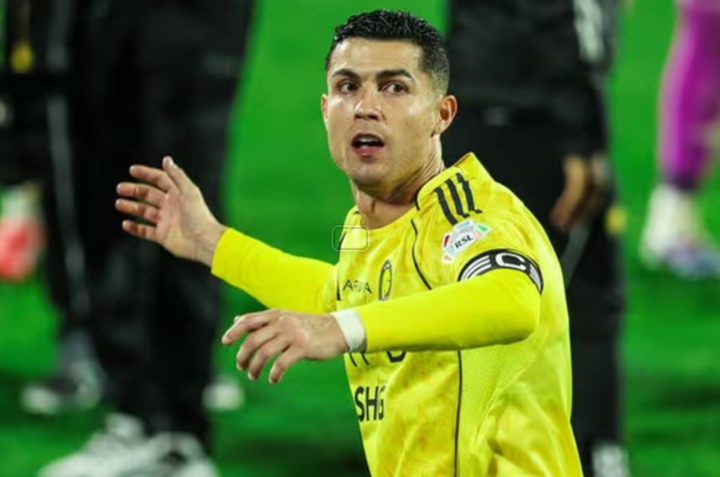
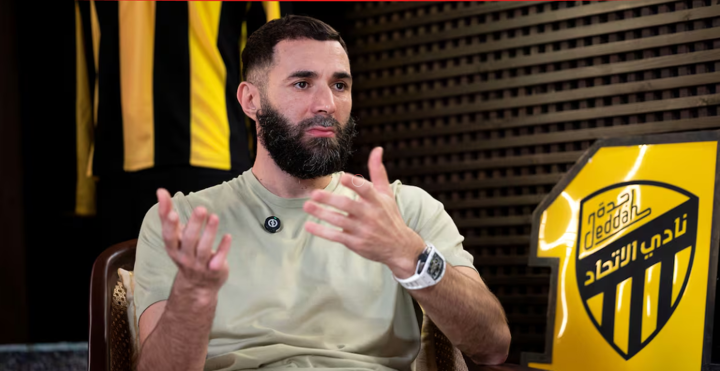
The former Real Madrid teammates have made their stances clear in their own ways: Benzema opted to join the more powerful, better-resourced Al Hilal, while Ronaldo went public with criticism of what he called "abuse of power" within the league’s setup.
In his view, the league’s operations, spearheaded by Saudi Arabia’s Public Investment Fund (PIF), have been unfairly funneling resources to certain teams – most notably the cash-rich Al Hilal, owned by Prince Alwaleed bin Talal – granting them a persistent competitive edge.
Whether driven by financial motives or power struggles, the two poster boys of the Saudi Pro League have taken action against what they see as interference stretching far beyond the realms of pure sport.
Such meddling often carries political undertones, manifesting in the differential treatment of PIF-owned clubs in terms of funding allocation and player transfers. The fund appears intent on shaping the league into its own personal fiefdom.
Both players have felt the pressure from top-level decisions and sought to respond by exercising their rights as athletes – even if only symbolically.
In Ronaldo’s case, even the hierarchy at his club Al Nassr has publicly voiced its discontent at the preferential treatment afforded to Al Hilal.
Ronaldo had held higher hopes for his club and is clearly unable to stomach his bitter rivals strengthening their ranks with a signing of Benzema’s calibre. He is not alone in his frustration: the club’s coaching staff, including manager Iñigo Martínez, share the same sentiment.
Sources suggest Ronaldo’s public protest has, in fact, been backed by the powers that be at Al Nassr.
The root of the conflict stems from Saudi football’s so-called decision-makers refusing to offer Benzema a new contract commensurate with his status and contributions to the team – a slight he deemed an insult.
Benzema thus took matters into his own hands to find a new club, ultimately making the switch from Al Ittihad to Al Hilal. Such a direct move between rival clubs is all but unthinkable in Europe’s top leagues, yet it has become a reality in Saudi Arabia. He now holds a new 18-month contract with the Riyadh giants.
Ronaldo’s situation, however, is far more complex. His actions amount to a public challenge to the entire system – a system that oversees all aspects of the league yet has left some clubs feeling aggrieved by its blatant favouritism, and which has finally been met with a cry of "enough is enough".