


Manchester United has tumbled out of the top five of football's rich list amid a shortened season without European competition, in yet another blow to the Ineos era at Old Trafford.
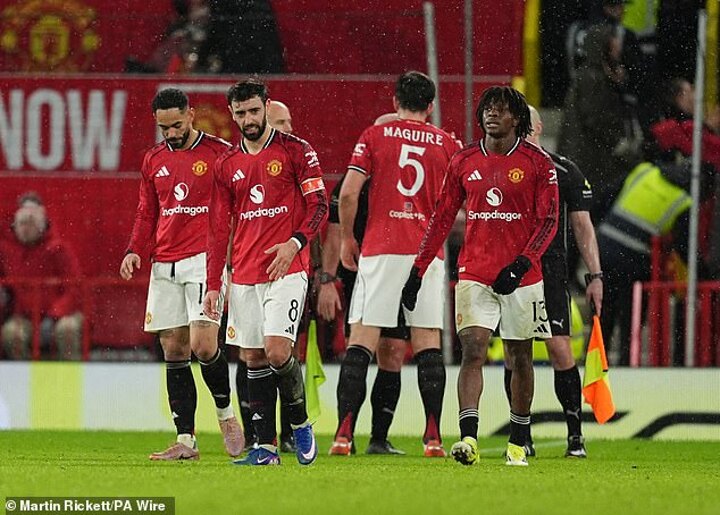
In the 29 years that Deloitte has compiled its annual Football Money League standings, Man United has been a fixture in among the richest clubs in international football, and frequently an industry leader due to the team's success on the pitch and global fanbase.
But in the thick of a torrid period on the pitch under former manager Ruben Amorim, United this year sit are ranked as low as eighth - and trailing table-toppers Real Madrid by over £300m.
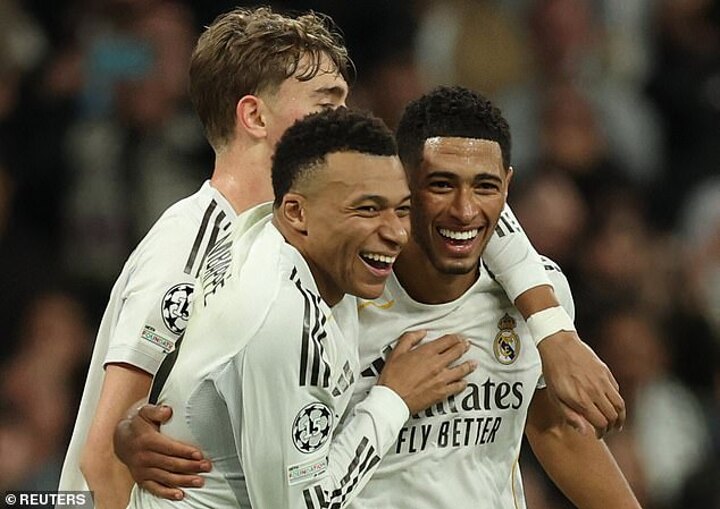
The Spanish giants earned the most revenue last season for the second campaign in a row, having last year made history by becoming the first club to surpass €1billion (£844m).
This year's report sees Los Blancos claim the top spot with a titanic £1.01bn, making United's earnings of £692million look comparatively paltry.
Real's wage bill does however dwarf the Manchester club's, with the Madrid-based club spending £446m on wages compared to £353m.
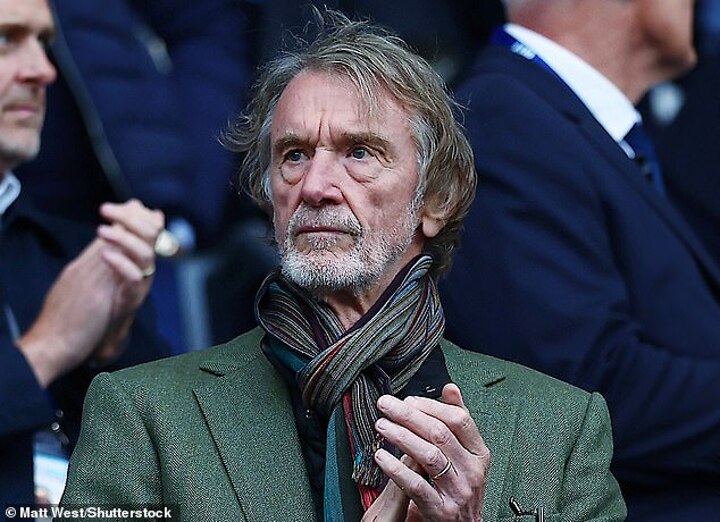
But United will have cause for concern ahead of next year's report too, with their £166m of matchday revenue likely slashed after early domestic cup competition exits and a lack of European games this season.
Their commercial revenue however will likely remain robust, with £346m earned as the Red Devils continue to have historic global appeal.
But Deloitte's Tim Bridge stressed that their comparatively dire straits are unlikely to be permanent.
'If you went back ten or 15 years, and you looked at matchday revenue it was the industry leader,' he told the Sun. 'Their ability to generate commercial revenue was the benchmark by which everybody then went to market and set their strategy. I don’t think that remains the case.
'The opportunity remains for Manchester United. They are arguably still the biggest global football club brand and can maximise that in a way that is only possible for a select few.
'But to do that requires fit-for-purpose facilities. Clubs need to rethink how they engage with fans and how that relationship works.'
Six Premier League sides have made the top 10, with Liverpool the league leaders having earned £729m from their Premier League-winning season.
But only Tottenham (£587m) and Chelsea (£510m) sit lower than United, have fallen four spots from fourth in a season - behind the Reds, and their crosstown rivals Manchester City, who brought in total revenue of £723m.
Liverpool also had the highest wage bill in the Premier League, spending £437m on player wages.
Real Madrid, second-placed Barcelona, and Paris Saint-Germain spent more on their players last season, with the Parisians the runaway leaders with a bill to pay worth a staggering £475m - more than half of their £730m total revenue.
Chelsea sit 10th in the standings, but going into detail over their revenue streams may give their BlueCo hierarchy pause.
The Blues earned just £90m from matchday revenue, highlighting the west London side's growing need for a dramatic revamp of their historic Stamford Bridge ground - which boasts one of the smaller capacities in the Premier League.
Chelsea also trailed the competition with commercial revenue of £209m, likely speaking to their continuing lack of a front-of-shirt sponsor.
After sporting the branding of Dubai property development company DAMAC for the final few matches of the 2024-25 season, Liam Rosenior's side are once again competing with nothing on the front of their Nike kit this term.