


The league phase of this season’s UEFA Champions League has drawn to a close. Of the six Premier League clubs taking part, five have advanced directly to the knockout stage. In response, The Telegraph has argued that the Champions League is increasingly becoming a private domain for Premier League sides, with Europe’s traditional giants struggling to compete.
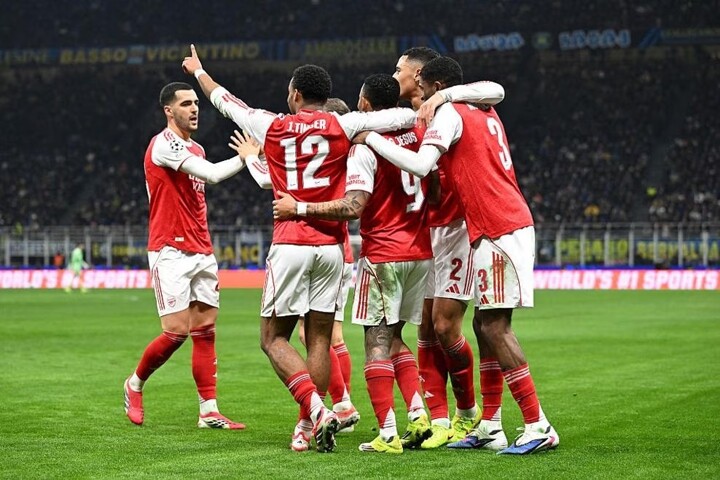
It was a night of breathtaking drama in the Champions League: 61 goals scored across 18 matches, qualification scenarios shifting by the minute, and teams’ fates being rewritten with every passing second. For UEFA, however, it was a deeply embarrassing occasion.
At the Estádio da Luz in Lisbon, José Mourinho rolled back the years to his peak. Benfica goalkeeper Anatoliy Trubin scored a last-gasp equaliser in stoppage time, sending the Portuguese side through ahead of Marseille on goal difference. Mourinho sprinted along the touchline and embraced a ball boy in wild celebration. Against such iconic scenes, labelling UEFA’s position as awkward seems odd and uncharitable.
After all, before the Champions League’s new format was introduced, the final matchday of the group stage was often filled with meaningless dead rubbers, with qualification already long decided. This season’s finale, by contrast, was packed with drama and excitement from start to finish.
Yet this spectacle feels like a visual feast tailored for television audiences – perhaps exactly what UEFA had intended – while most fans in attendance were left confused, unable to keep up with the constantly fluctuating qualification picture.
But look to the other end of the league table, and UEFA’s dilemma becomes clear. The governing body did not design this new format to see five clubs from the same league fill the top eight spots, securing direct places in the round of 16 and seeding advantages in the draw. The sixth Premier League side also came perilously close to joining them.
Worse still, Arsenal, Liverpool and Tottenham occupy the top three positions in the overall standings. Should they reach the quarter-finals, they will be rewarded with home advantage in the second legs of both the round of 16 and the quarter-finals. Arsenal, having swept aside all opponents with a perfect record of eight wins from eight, have even secured home advantage for the semi-finals.
Chelsea also sit comfortably inside the top eight, while Newcastle United will face either Monaco (21st) or Qarabağ (22nd) in the knockout play-offs. The latter were thrashed 6-0 by Liverpool, leaving Newcastle as heavy favourites in that tie.
This has become a deep-seated, even fatal, flaw in the Champions League. Since its expansion to 36 teams, the league table has been dominated by Premier League clubs, a state of affairs that is far from dignified.
The Champions League was conceived as a stage for Europe’s elite clubs to compete on equal footing, not a tool for the Premier League to flaunt its strength and assert dominance. Should the Premier League establish a monopoly, the competition will betray its founding principles, exposing structural weaknesses and the overwhelming grip of a single league on European football.
Across the league phase, the six Premier League teams played a total of 48 matches, losing only nine and winning 33. They scored 109 goals while conceding just 45, delivering a performance of crushing dominance.
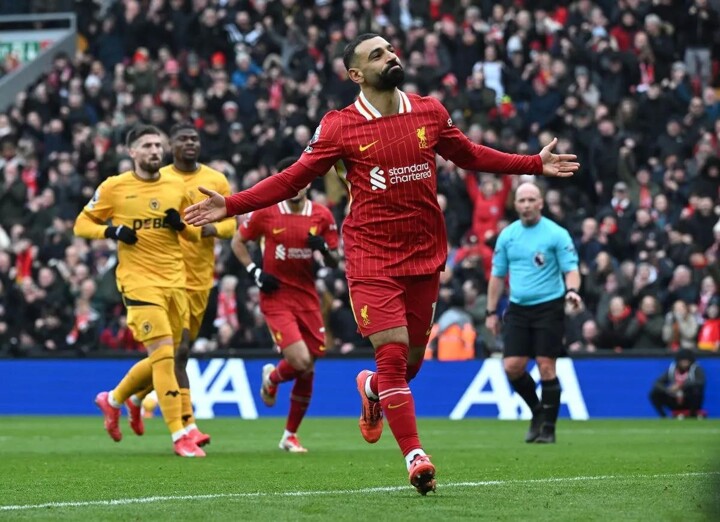
A look at their standout results lays bare their superiority. Last week, Newcastle thrashed Eredivisie leaders PSV Eindhoven 3-0, despite the Dutch side holding a 14-point lead at the top of their domestic league. Tottenham, ranked fourth in the Champions League standings, suffered just one defeat in eight matches, beating La Liga’s third-placed Villarreal and Borussia Dortmund, the second-placed team in the Bundesliga. Yet back in the Premier League, Tottenham sit only 14th, with manager Ange Postecoglou already facing calls to be sacked. Inter Milan, Serie A leaders and Italy’s strongest club, were outclassed at home by Arsenal, who also defeated Bayern Munich – widely regarded as the best team in Europe at present.
On the final matchday, Chelsea secured an away victory over Napoli under Antonio Conte, condemning the Italian side to 30th place and elimination from the competition. Meanwhile, Europe’s traditional heavyweights – Paris Saint-Germain, Real Madrid, Inter, Juventus and Atlético Madrid – were left to battle it out in the knockout play-offs, with no guarantee of progression for any of them.
The evidence is undeniable: Europe’s elite giants are now struggling to compete with Premier League clubs. And the financial imbalance across football will only widen this gap, with this season’s Champions League laying the problem bare for all to see.
It is worth remembering that UEFA’s Financial Fair Play regulations were introduced not only to regulate club finances, but also to end the dominance once held by Premier League sides. The 2007-08 campaign saw an all-English final in Moscow between Manchester United and Chelsea, with the Red Devils prevailing on penalties. It was against this backdrop that Michel Platini pushed for FFP to be implemented – and it was no coincidence.
Now, could the Premier League be on the verge of another era of Champions League dominance? UEFA will be desperate to avoid such an outcome, and will take solace in recent history. Last season, three Premier League teams finished in the top eight of the Champions League standings, yet none reached the final, with Paris Saint-Germain, ranked 13th, lifting the trophy.
Indeed, since 2008, only two other Champions League finals have been all-Premier League affairs, with English clubs lifting the trophy just four times in total. Real Madrid alone have won it six times, and Barcelona three.
Why do Premier League sides struggle to translate their league-phase dominance into knockout success? In the group and league stages, their deep squads and physical intensity allow them to overpower opponents while maintaining high energy levels, dominating continental opposition in near-ruthless fashion – much like Chelsea’s 3-0 demolition of Barcelona in November, which left the Spanish giants with no reply.
But come the knockout rounds late in the season, the tide could turn completely. For one thing, the knockout format is inherently unpredictable, and Premier League sides could even face each other as early as the round of 16 – Chelsea and Newcastle, for instance, could be drawn together prematurely. For another, it echoes a famous line once attributed to Michel Platini: English players are “lions in winter, lambs in spring”. A gruelling domestic campaign leaves them exhausted by the season’s end.
Ironically, this physical drain stems directly from the ferocious competition within the Premier League itself. English clubs must battle relentlessly in domestic football, with a fixture list far more draining than those faced by teams in other leagues. Bayern Munich, for example, currently hold an eight-point lead at the top of the Bundesliga with just one defeat all season, and are spared such intense internal attrition.
For now, fixture fatigue appears to be the only hope remaining for Europe’s other clubs to compete with the Premier League. Even that, however, looks like a faint prospect. Premier League clubs keep growing stronger, and the Champions League is increasingly becoming their private fiefdom – in effect, a super-league for English sides.